On the afternoon of May 13, 2026, a delegation from the School of International Education — including foreign faculty, teachers from the Art Teaching and Research Office and other related teachers — visited the Central Plains Folk Dance Research Center at the School of Music and Dance. The visit aimed to build a teaching exchange platform and foster cross-cultural academic dialogue. There, they held a joint teaching and research salon with the school's dance faculty. Using this academic exchange as a bridge, the participants engaged in an inspiring exchange of educational ideas, experienced the charm of Central Plains intangible cultural heritage, and jointly explored innovative approaches to talent cultivation.
The event was held in a relaxed and harmonious atmosphere. Chinese and foreign faculty gathered together to conduct in-depth discussions on key topics, including dance teaching innovation, the inheritance of folk culture, and educational practices in the classroom. Li Le, a faculty member from the School of Music and Dance, served as the keynote speaker. Focusing on Henan's outstanding local artistic achievements, she provided a detailed introduction to the poetic music and dance drama Lunar Calendar. She elaborated on its creative background, artistic core, cultural connotations, and stage characteristics. Drawing upon the Central Plains' agrarian culture and local customs, she interpreted the profound regional humanistic heritage embedded in the work, vividly showcasing the unique artistic charm of Central Plains folk dance, which is deeply rooted in the local soil and closely connected to everyday life.
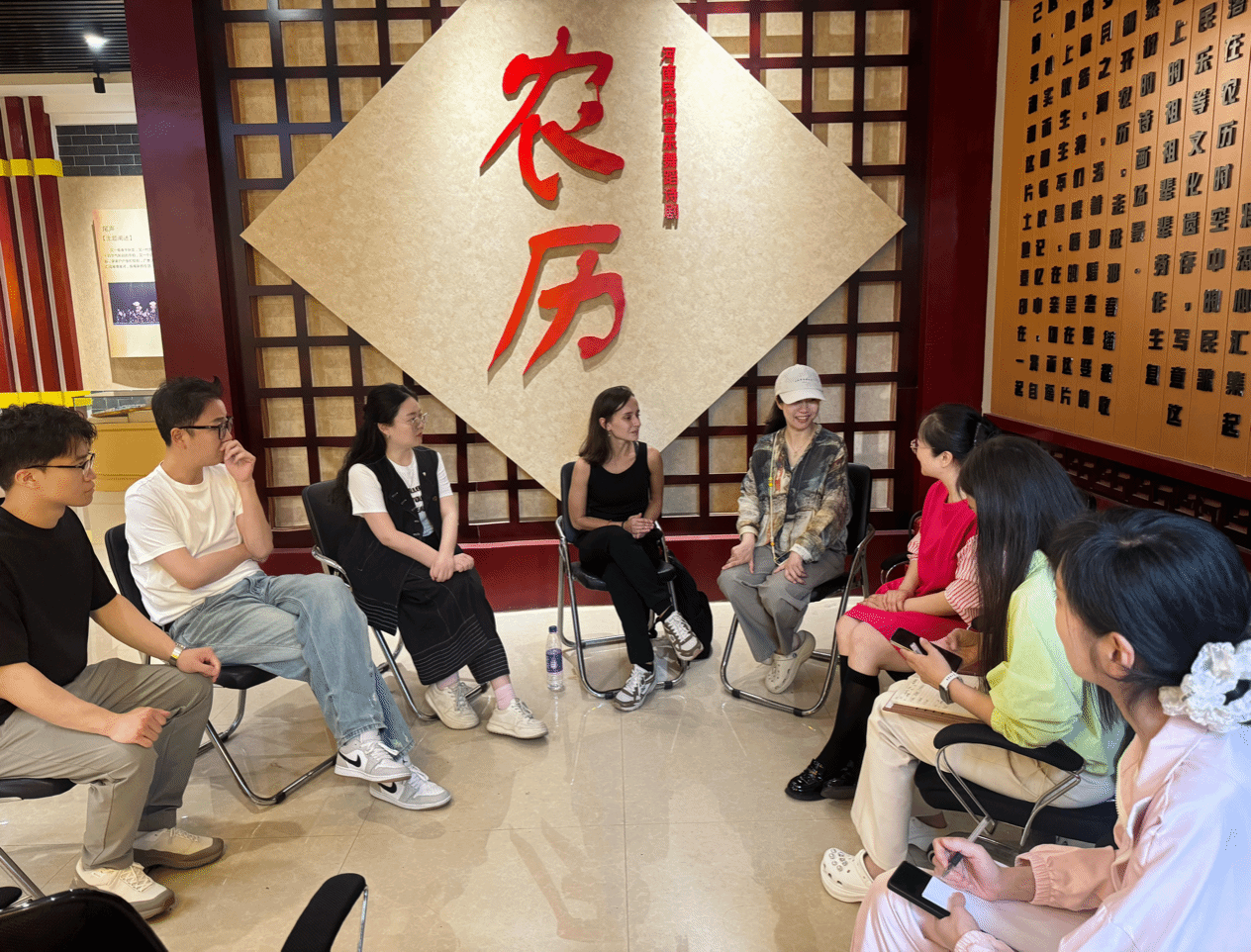
To help the foreign faculty truly feel the unique flavor of Central Plains folk art, Li Le brought the iconic dance props from Lunar Calendar to the salon. She explained their cultural symbolism, practical use, and stage effects in detail. By using physical demonstrations, she transformed abstract dance concepts into a vivid, tangible experience, offering the foreign teacher an immersive look into the artistic expressions of Central Plains folk dance. This vivid and hands-on display allowed the foreign faculty to appreciate the profound heritage of Henan's folk arts up close and truly feel the unique charm of China's excellent traditional culture.
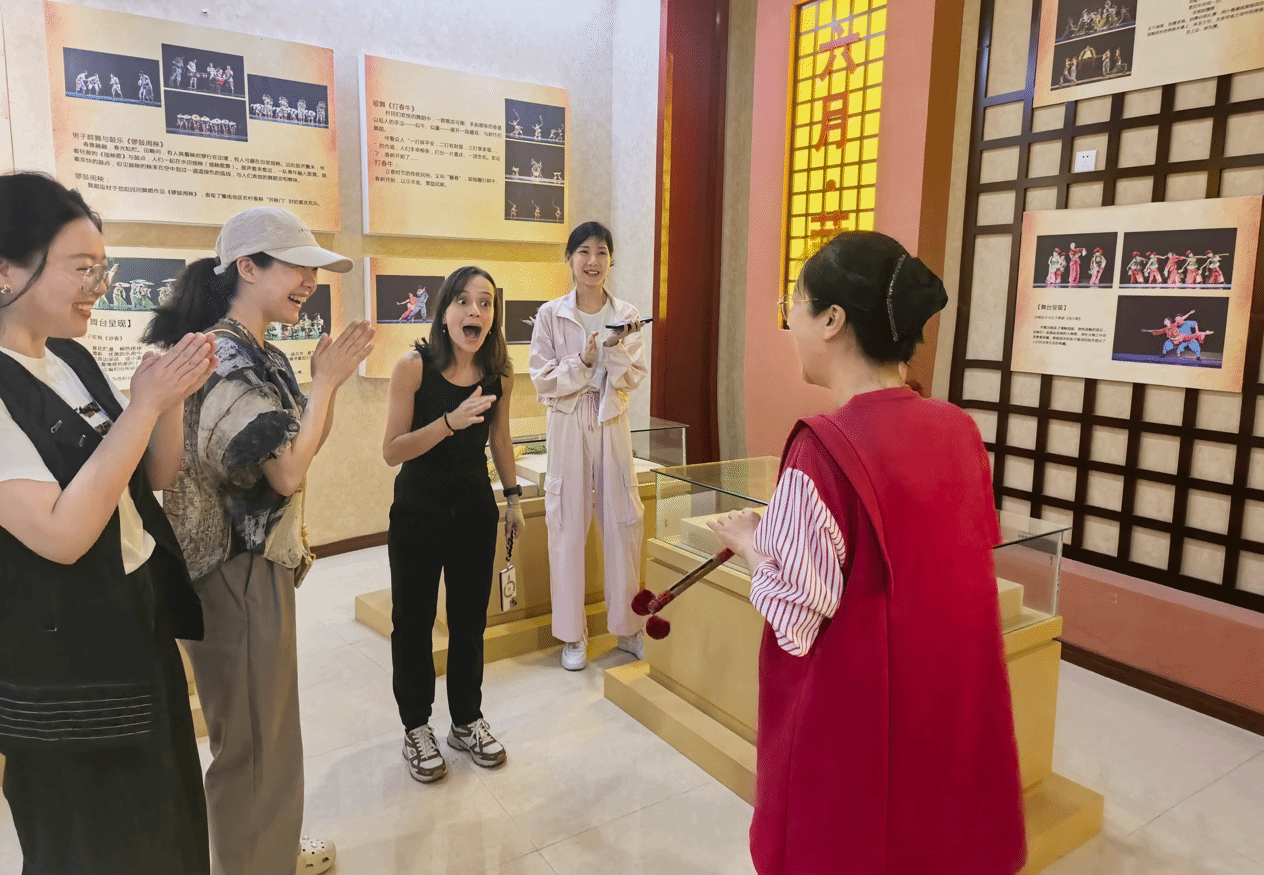
During the exchange and discussion session, Chinese and foreign faculty shared their insights based on their respective teaching practices. Drawing upon international dance education models and her own teaching experience, the foreign faculty shared her insight on classroom teaching methodologies and practical teaching implementation. Meanwhile, the Chinese faculty shared their practical experience in using cultural heritage to empower teaching, combining folk dance instruction with local cultural aesthetic education. The two sides had an in-depth dialogue on integrating cross-cultural teaching and learning from each other's talent cultivation models. Ultimately, this clash of ideas helped broaden their teaching horizons and forge a strong consensus on education.
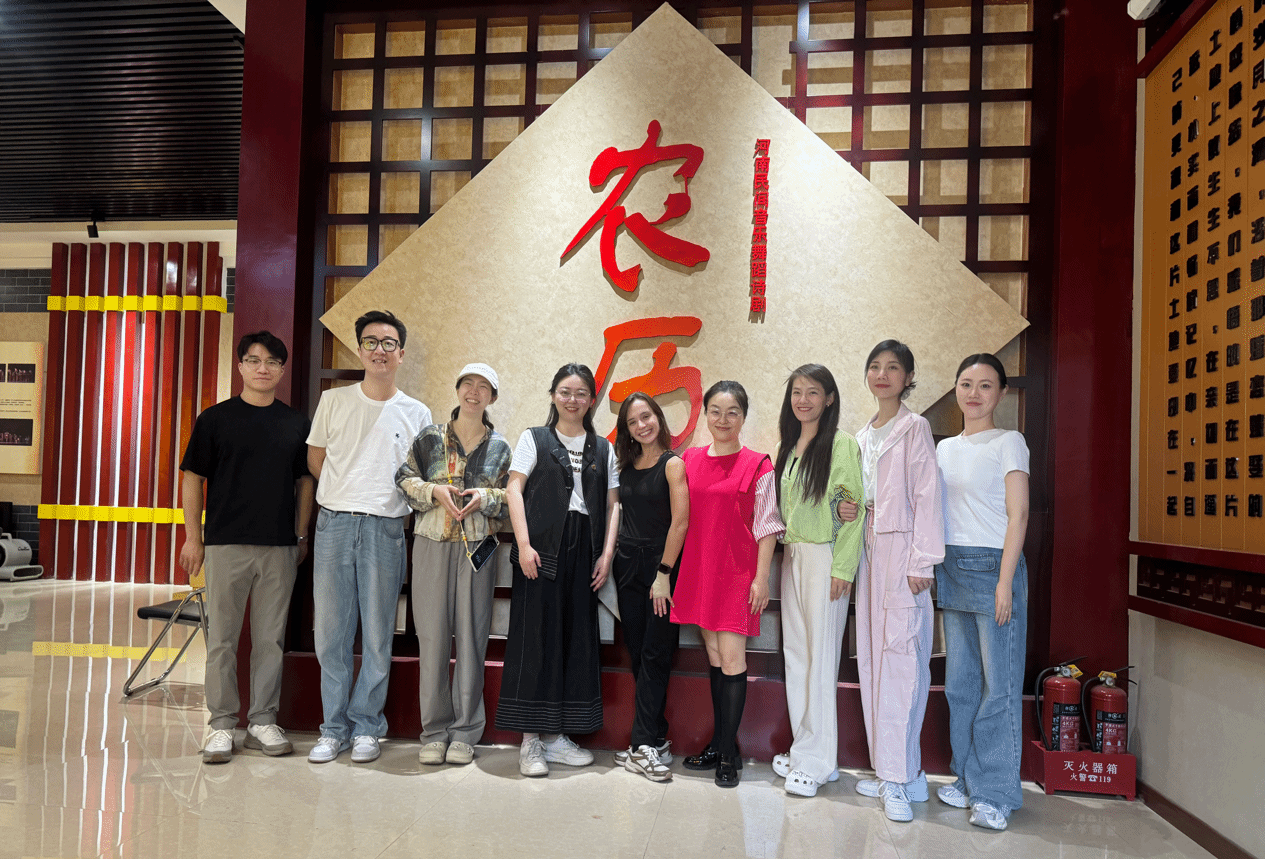
This joint teaching and research salon was not only an exchange of educational philosophies between Chinese and foreign faculty but also a platform for the international promotion of Central Plains folk culture. Moving forward, the two schools will continue to deepen Sino-foreign teaching cooperation and exchange. By regularly hosting activities such as teaching and research salons, cultural exchanges, and joint curriculum development, they aim to use cross-cultural communication to elevate teaching quality, integrate folk culture into aesthetic education classrooms, and continuously broaden the pathways for cultivating applied dance talents. Ultimately, these efforts will contribute to the inheritance, innovation, and international dissemination of the excellent traditional culture of the Central Plains.
Written by: Zhan Donghong
Editor: Jiang Meng
Preliminary Review: Zhan Donghong;
Secondary Review: Zhang Lei;
Final Review: Li Jing